

The human mind possesses extraordinary capabilities, many of which are still shrouded in mystery. Among these fascinating aspects of our consciousness is the enigmatic phenomenon known as the “sixth sense.” Popularized through movies and folklore, the sixth sense refers to an individual’s ability to perceive or sense information beyond the ordinary five senses. In this essay, we will delve into the concept of the sixth sense, examining its historical and cultural significance, scientific perspectives, and its implications for our understanding of human perception.
Historical and Cultural Significance:
The notion of the sixth sense is not a recent development. Throughout history, various cultures have acknowledged the existence of a “sixth sense” or extrasensory perception (ESP). Ancient civilizations, such as the Egyptians, Greeks, and Native Americans, believed in the existence of spiritual or intuitive abilities that extended beyond the physical senses. These beliefs were often associated with shamans, seers, or mystics who claimed to possess heightened perceptual capabilities.
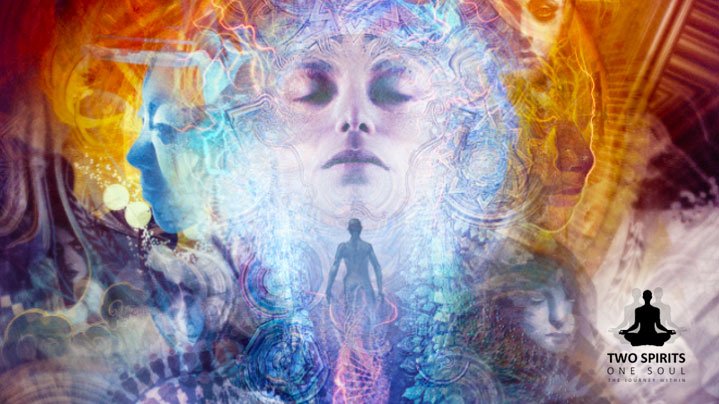
In popular culture, the sixth sense gained prominence through literary works, such as Bram Stoker’s “Dracula,” where characters like Van Helsing demonstrated an uncanny ability to sense the presence of vampires. Similarly, the concept has been depicted in films like “The Sixth Sense,” directed by M. Night Shyamalan, where the protagonist can perceive the spirits of the deceased. These artistic portrayals have contributed to the fascination and intrigue surrounding the idea of the sixth sense.
Scientific Perspectives:
From a scientific standpoint, the existence of the sixth sense is a subject of much debate and skepticism. Traditional scientific disciplines rely heavily on the empirical evidence provided by the five recognized senses: sight, hearing, taste, smell, and touch. These senses are explained by neurobiology, physiology, and psychology. However, emerging fields such as parapsychology and consciousness studies explore phenomena that challenge conventional scientific frameworks.

Parapsychology investigates psychic abilities, including telepathy, clairvoyance, and precognition, which are often associated with the sixth sense. Although controversial, some research in parapsychology has yielded intriguing results, albeit not yet conclusive or widely accepted within the scientific community. Studies involving telepathy experiments or near-death experiences offer glimpses into the possibility of additional senses or perceptions beyond our current understanding.
Implications for Perception:
The exploration of the sixth sense raises intriguing questions about the limits and potential of human perception. Our current understanding of reality is primarily shaped by the information our senses provide. Yet, could there be dimensions of existence or aspects of reality that lie beyond our sensory perception? The concept of the sixth sense challenges us to question the boundaries of our conscious experience and consider the existence of subtle or hidden forces that influence our lives.

Furthermore, the study of the sixth sense offers potential applications in fields such as medicine, psychology, and even technology. By further investigating and understanding the mechanisms behind extraordinary perceptions, we may unlock new avenues for diagnosing and treating certain medical conditions. Additionally, exploring the sixth sense could enhance our understanding of intuition and subconscious processes, shedding light on decision-making, creativity, and problem-solving.
Conclusion:
The concept of the sixth sense, though often regarded with skepticism, captivates our imagination and challenges our understanding of human perception. While rooted in ancient beliefs and cultural folklore, the sixth sense continues to be explored through scientific inquiry. Although much remains unknown, investigating this phenomenon may hold the key to unlocking new dimensions of human consciousness, opening doors to profound discoveries about ourselves and the world we inhabit. As we continue to explore the depths of perception, we may gain a deeper understanding of the intricate workings of the human mind and the potential that lies within us.




 Love
Love Astrologer
 Dreams
 Life Coach
 Medium
 Numerologist
 Palm Reader
 Paranormal
 Past Life
 Tarot Reader